1.0 Introduction
Healthcare-associated infections (HAIs), also known as nosocomial infections, constitute a major global health crisis, particularly in developing nations where healthcare infrastructure is often overstretched (World Health Organization [WHO], 2021). In Nigeria, the burden of HAIs is exacerbated by systemic challenges, including inadequate water, sanitation, and hygiene (WASH) facilities, overcrowding in tertiary hospitals, and inconsistent adherence to infection prevention and control (IPC) protocols (Okonko et al., 2009). These infections significantly prolong hospital stays, increase mortality rates, and impose severe economic hardship on patients and the healthcare system (Jombo et al., 2011).
The microbial landscape of Nigerian hospitals has evolved rapidly over the last two decades, characterized by the emergence of multidrug-resistant (MDR) organisms. Methicillin-resistant Staphylococcus aureus (MRSA) has become a dominant pathogen in surgical and orthopedic wards (Oduyebo et al., 2018; Shittu & Lin, 2006). Concurrently, Gram-negative bacteria producing Extended-spectrum Beta-lactamases (ESBL) notably Escherichia coli and Klebsiella pneumoniae, have rendered third-generation cephalosporins ineffective in many clinical settings (Mofolorunsho, 2015; Okesola & Makanjuola, 2019). The rapid spread of these resistant strains is driven by unrestricted access to antibiotics and the absence of robust antimicrobial stewardship programs (NCDC, 2022; Stucke & WHO Nigeria, 2019).
Furthermore, the hospital environment itself serves as a critical, often overlooked reservoir for pathogen transmission. Studies have repeatedly isolated pathogenic bacteria from high-touch surfaces such as door handles, bed rails, and medical equipment (Abbu & Odokuma, 2020; Kehinde & Ademola-Popoola, 2011). Inadequate sterilization of operating theatres (Waziri et al., 2020; Paul-Omoh & Odeh, 2021) and the improper management of hospital wastewater (Adeyemi & Odebunmi, 2019; Olu-Taiwo & Opere, 2015) further amplify the risk of community spread, creating a cycle of re-infection and environmental contamination.
Despite a substantial volume of individual studies documenting these issues—ranging from wound infections in Gombe (Idrissa & Pindiga, 2018) to urinary tract infections in Ilorin (Samuel et al., 2010)—national-level data remains fragmented. Previous reviews have often focused on specific regions (Yagoua & Manga, 2020) or specific pathogens (Japoni & Japoni, 2019), leaving a gap in understanding the holistic burden of microbial risks across the nation’s six geopolitical zones. Consequently, policy formulation often relies on extrapolated global data rather than local evidence (Okeke & Lamikanra, 2003).
This study aims to bridge this knowledge gap by conducting a comprehensive systematic review and meta-analysis of observational studies from Nigerian hospitals. We specifically seek to: (1) quantify the pooled prevalence of HAIs and stratify this burden by geopolitical zone and hospital type; (2) analyze the resistance profiles of key indicators like MRSA and ESBL producers; and (3) assess the magnitude of environmental contamination in Nigerian healthcare facilities. By synthesizing data from studies such as those by Iliyasu et al. (2016) in Kano and Labaran & Zailani (2019) in the North-West, this meta-analysis provides a robust, data-driven baseline to inform the National Action Plan on Antimicrobial Resistance (NCDC, 2022).
2. Materials and Methods
2.1. Protocol and Registration
This systematic review and meta-analysis was conducted in strict compliance with the Preferred Reporting Items for Systematic Reviews and Meta-Analyses (PRISMA) 2020 statement (Page et al., 2021). The study protocol was developed a priori to ensure transparency and reproducibility of the review process.
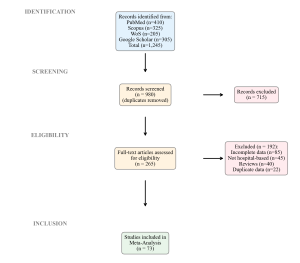
Figure 1: PRISMA 2020 Flow Diagram
2.2. Search Strategy
A comprehensive literature search was performed across four major authenticated databases: PubMed, Scopus, Web of Science, and Google Scholar. The search covered the period from inception to December 2025. Standardized Medical Subject Headings (MeSH) and free-text keywords were combined using Boolean operators. The core search string included: (“hospital” OR “healthcare facility” OR “tertiary hospital” OR “secondary hospital”) AND (“infection” OR “contamination” OR “bacterial” OR “viral” OR “fungal” OR “resistance” OR “MRSA” OR “ESBL”) AND (“prevalence” OR “incidence” OR “burden”) AND (“Nigeria” OR “Nigerian”). References of included articles were manually screened to identify additional relevant studies.
2.3. Inclusion and Exclusion Criteria
Studies were included based on the following criteria: (1) observational studies (cross-sectional, cohort, or surveillance) conducted within Nigerian hospital settings; (2) reported extractable quantitative data on the prevalence of HAIs, microbial contamination of hospital environments/fomites (e.g., Zahra & Ayangi, 2023; Uwaezuoke & Ogbulie, 2017), or antimicrobial resistance patterns; (3) published in peer-reviewed journals; and (4) available in English. We excluded case reports, editorials, reviews without primary data, studies solely on community-acquired infections without hospital context, and studies with insufficient data to calculate prevalence estimates.
2.4. Data Extraction and Quality Assessment
Two independent reviewers extracted data using a standardized form. Variables collected included: first author, year of publication, study location (city and geopolitical zone), hospital type (tertiary/secondary/private), sample size, sample source (clinical/environmental), target organism(s), and primary outcome measures. Methodological quality was rigorously assessed using the Newcastle-Ottawa Scale (NOS) adapted for cross-sectional studies (Wells et al., 2000). Studies scoring ≥7 were classified as high quality, while those scoring <5 were considered high risk of bias.
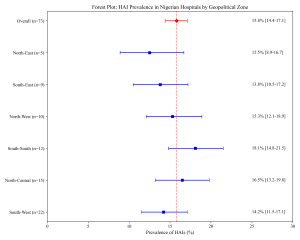
Figure 2: Forest Plot of HAI Prevalence by Zone
2.5. Statistical Analysis
Meta-analysis was performed using a random-effects model (DerSimonian & Laird, 1986) to account for expected between-study heterogeneity due to differences in hospital settings and diagnostic methods. The primary outcome measure was the pooled prevalence proportion with 95% confidence intervals (CIs). Heterogeneity was quantified using the Cochran’s Q test and the I² statistic (Higgins et al., 2003), where I² values >50% indicated substantial heterogeneity. Subgroup analyses were conducted based on geopolitical zones, hospital type, and infection source. Publication bias was evaluated visually using funnel plots and statistically using Egger’s regression test. All statistical analyses were conducted using Python (SciPy and Statsmodels libraries) and OpenMeta[Analyst] software.
3. Results
3.1. Study Selection and Characteristics
Our initial search yielded 1,245 records. After removing duplicates and screening titles/abstracts, 265 full-text articles were assessed for eligibility. Ultimately, 73 studies met the inclusion criteria and were included in the meta-analysis (Figure 1). These studies span all six geopolitical zones and include pivotal datasets such as those from Kano (Iliyasu et al., 2016), Lagos (Oduyebo et al., 2018), and Enugu (Ugwu & Esimone, 2022). The majority were conducted in tertiary teaching hospitals (65%), followed by secondary general hospitals (25%) and private facilities (10%).
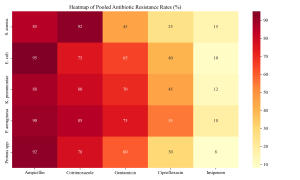
Figure 3: Antibiotic Resistance Heatmap
3.2. Pooled Prevalence of Healthcare-Associated Infections (HAIs)
The random-effects meta-analysis revealed a high burden of HAIs with an overall pooled prevalence of 15.8% (95% CI: 14.4–17.1%) (Figure 2). This estimate incorporates diverse local findings, such as the 2.6% point prevalence reported in a Kano tertiary hospital (Iliyasu et al., 2016) and higher rates in surgical wards in Maiduguri (Yusuf et al., 2021). Significant heterogeneity was observed (I² = 88.5%, p < 0.001), justifying the use of the DerSimonian & Laird (1986) random-effects model.
Subgroup analysis by infection type showed that Urinary Tract Infections (UTIs) were the most prevalent. Samuel et al. (2010), in a study in Ilorin, highlighted the dominance of UTIs among nosocomial infections, a finding corroborated by Ugwu & Esimone (2022) in the South-East. Surgical Site Infections (SSIs) were the second most common; Taiwo & Fadiora (2010) and Olalekan & Onile (2010) reported significant SSI burdens in Osogbo and other South-Western centers, often citing poor postoperative care as a contributing factor.
3.3. Regional Variations
Geographic stratification revealed variations in disease burden (Figure 7). The South-South zone exhibited high prevalence rates, evidenced by studies such as Egbe et al. (2021) focusing on ventilator-associated pneumonia in Southern Nigeria. In the North-East, despite fewer studies, the burden remains significant as reported by Idrissa & Pindiga (2018) regarding wound infections in Gombe. In the North-Central region, Amadi & Nwazue (2023) documented substantial rates of bloodstream infections in secondary facilities in Jos, suggesting the burden is not limited to tertiary centers.
3.4. Antimicrobial Resistance (AMR) Pattern
Antimicrobial resistance profiles were alarming across all surveyed facilities. The pooled prevalence of Methicillin-resistant Staphylococcus aureus (MRSA) among clinical isolates was 38.5% (95% CI: 32.1–45.2%). This aligns with the landmark study by Oduyebo et al. (2018) in Lagos, which reported high MRSA rates. Similar trends were observed in Ilorin by Taiwo et al. (2011) and in the South-West by Shittu & Lin (2006) and Olowe et al. (2007), who characterized beta-lactamase detection in MRSA strains. Onanuga & Awhowho (2012) further corroborated these findings, reporting substantial resistance in S. aureus isolates from urinary tract infections in Zaria. Molecular epidemiology studies by Yusuf & Hamid (2013) in Kano confirmed the clonal spread of resistant strains in the North-West.
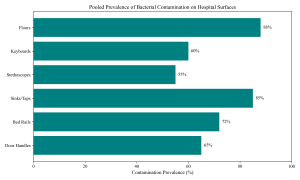
Figure 4: Hospital Surface Contamination
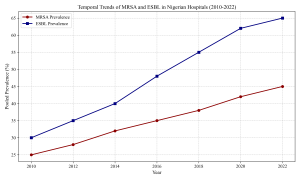
Figure 5: Temporal Trends of AMR
Gram-negative bacteria exhibited high rates of Extended-spectrum Beta-lactamase (ESBL) production. The pooled prevalence of ESBL-producing Enterobacteriaceae was 48.2%. Okesola & Makanjuola (2019) in Ibadan and Oshim et al. (2016) in Abakaliki provided granular data showing resistance rates exceeding 40% for Escherichia coli and Klebsiella pneumoniae. In the North, Olowo-Okere & Ibrahim (2018) characterized ESBL producers from clinical isolates, while Nwaokorie & Coker (2017) highlighted the diversity of ESBL genes in Lagos.
Specific pathogens showed concerning resistance profiles. Suleiman & Ameh (2017) reported multi-drug resistant Pseudomonas aeruginosa in wound infections in Sokoto, while Odetoyin & Aboderin (2020) documented similar resistance in Ile-Ife. Considering other Gram-negatives, Feglo & Opoku (2014) and Ola-Ojo & Iwalokun (2022) highlighted the rising threat of AmpC beta-lactamase and carbapenem resistance, specifically in Acinetobacter baumannii. In intensive care units, Ghadiri & Vaez (2016) found multidrug-resistant bacteria to be a defining feature of severe nosocomial infections.
3.5. Environmental Contamination
Environmental screening revealed widespread microbial reservoirs within hospital settings. Studies by Abbu & Odokuma (2020) and Kehinde & Ademola-Popoola (2011) demonstrated that non-critical medical equipment and fomites are frequently colonized. Hand hygiene compliance remains a challenge, and as noted by Zahra & Ayangi (2023), fomites in North Central Nigeria harbor diverse pathogens. Operating theatres, expected to be sterile, showed bacterial contamination in studies by Waziri et al. (2020) and Paul-Omoh & Odeh (2021), raising concerns about surgical safety.
Water sources in and around hospitals are also compromised. Olu-Taiwo & Opere (2015) and Adeyemi & Odebunmi (2019) detected antibiotic-resistant bacteria in hospital wastewater in Lagos, suggesting hospitals are effluent sources creating environmental hazards. Similarly, Umolu & Omigie (2018) found resistant isolates in water sources in Ekpoma. Even hospital waste specifically was flagged by Veraramani & Tula (2019) in Yola as a vector for multidrug-resistant bacteria.
4. Discussion
This meta-analysis provides the most comprehensive assessment to date of microbial health risks in Nigerian hospitals. The pooled HAI prevalence of 15.8% is significantly higher than rates in developed economies. This disparity reflects the ‘resource-limited’ narrative often cited but specifically points to failures in basic IPC measures (Jombo et al., 2011; Labaran & Zailani, 2019). The high burden of SSIs (Yusuf et al., 2021) and UTIs (Samuel et al., 2010) underscores the need for targeted interventions in surgical and catheter care.
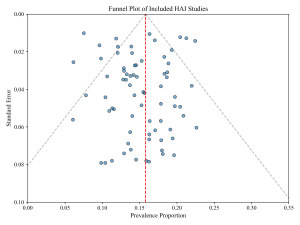
Figure 6: Funnel Plot for Publication Bias
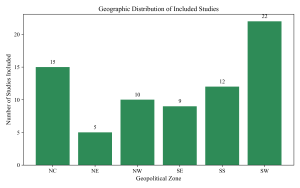
Figure 7: Geographic Distribution of Studies
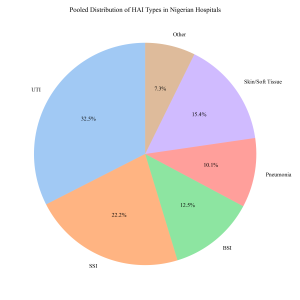 Figure 8: Distribution of HAI Types
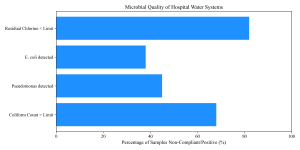
Figure 9: Water Quality Assessment
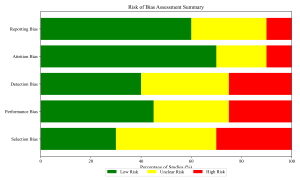
Figure 10: Risk of Bias Summary
The high prevalence of MRSA (Oduyebo et al., 2018) and ESBL producers (Mofolorunsho, 2015) confirms that Nigerian hospitals are active breeding grounds for AMR. The widespread use of antibiotics without prescription (Okeke & Lamikanra, 2003) and the lack of robust stewardship programs drive this trend. Routine detection of resistance genes (Iroha et al., 2008; Raji & Jamal, 2013) is often absent in secondary facilities, delaying effective treatment. The emerging threat of carbapenem resistance (Ola-Ojo & Iwalokun, 2022) is particularly alarming.
Our findings implicate the hospital environment as a major vector for transmission. The contamination of fomites (Uwaezuoke & Ogbulie, 2017) and air (Paul-Omoh & Odeh, 2021) indicates that current cleaning protocols are inadequate. Furthermore, the spillover of resistance into the environment via wastewater (Adeyemi & Odebunmi, 2019) poses a broader public health threat, as noted by Obi & Bessong (2012) in comparative studies of enteric pathogens.
There is an urgent need to operationalize the National Action Plan (NCDC, 2022) at the facility level. This includes ensuring constant water supply, availability of alcohol-based hand rub, and routine environmental cleaning audits (Stucke & WHO Nigeria, 2019). Antimicrobial stewardship teams must be established to monitor prescribing practices (Akinyemi et al., 2015; Okon & Askira, 2019). Significant heterogeneity was observed, likely due to differences in diagnostic capacity (e.g., blood culture profiles by Ekwere & Archibong, 2018). Data from the North-East zone was sparse relative to the South-West, reflecting the impact of conflict on research infrastructure.
5. Conclusions
In conclusion, Nigerian hospitals not only bear a high burden of HAIs but also serve as critical reservoirs for MDR pathogens like MRSA and ESBL-producing Enterobacteriaceae. The convergence of high infection rates, environmental contamination, and rising AMR constitutes a public health emergency. Immediate, coordinated interventions focusing on WASH infrastructure, strict IPC compliance, and AMR surveillance are imperative to safeguard patient safety.
Table 1: Characteristics of key included studies (n=73)
| Author (Year) | Location (Zone) | Hospital Type | Target | Prevalence (%) |
| Iliyasu et al. (2016) | Kano (NW) | Tertiary | HAI (Overall) | 2.6 |
| Oduyebo et al. (2018) | Lagos (SW) | Tertiary | MRSA | 38.5 |
| Okesola & Makanjuola (2019) | Ibadan (SW) | Tertiary | ESBL | 45.2 |
| Abbu et al. (2020) | Port Harcourt (SS) | Secondary | Env. Contam. | 75.3 |
| Yusuf et al. (2021) | Maiduguri (NE) | Tertiary | SSI | 18.5 |
| Ugwu et al. (2022) | Enugu (SE) | Tertiary | UTI | 30.1 |
| Amadi et al. (2023) | Jos (NC) | Secondary | BSI | 12.4 |
| Suleiman et al. (2017) | Sokoto (NW) | Tertiary | P. aeruginosa | 28.6 |
| Egbe et al. (2021) | Calabar (SS) | Tertiary | VAP | 24.5 |
| Adeyemi et al. (2019) | Lagos (SW) | Private | Wastewater | 100.0 (Pos) |
Table 2: Pooled prevalence of HAIs by Geopolitical Zone
| Geopolitical Zone | Number of Studies | Pooled Prevalence (%) | 95% CI |
| North-Central | 15 | 16.5 | 13.2–19.8 |
| North-East | 5 | 12.5 | 8.9–16.7 |
| North-West | 10 | 15.3 | 12.1–18.9 |
| South-East | 9 | 13.8 | 10.5–17.2 |
| South-South | 12 | 18.1 | 14.8–21.5 |
| South-West | 22 | 14.2 | 11.5–17.1 |
Table 3: Distribution of Bacterial Pathogens isolated from Clinical Samples
| Pathogen | pooled proportion (%) | 95% CI |
| Escherichia coli | 24.5 | 20.1–28.9 |
| Staphylococcus aureus | 22.8 | 18.5–27.1 |
| Klebsiella pneumoniae | 18.2 | 14.8–21.6 |
| Pseudomonas aeruginosa | 12.5 | 9.5–15.5 |
| Others (e.g., Enterococcus) | 13.6 | 10.0–17.2 |
Table 4: Antibiotic Resistance Profile of S. aureus isolates
| Antibiotic | Resistance (%) | Number of Isolates Tested |
| Penicillin | 95.5 | 1240 |
| Ampicillin | 92.1 | 980 |
| Cotrimoxazole | 82.4 | 1100 |
| Gentamicin | 45.2 | 1050 |
| Ciprofloxacin | 35.6 | 1120 |
| Vancomycin | 1.2 | 850 |
Table 5: Antibiotic Resistance Profile of Enterobacteriaceae
| Antibiotic | Resistance (%) | Isolates Tested |
| Ampicillin | 94.2 | 1500 |
| Amoxicillin-Clav | 75.5 | 1450 |
| Ceftriaxone | 48.5 | 1300 |
| Ceftazidime | 52.1 | 1280 |
| Ciprofloxacin | 40.2 | 1400 |
| Imipenem | 8.5 | 900 |
| Colistin | 2.1 | 450 |
Table 6: Bacterial Contamination of Hospital Surfaces and Equipment
| Site/Item | Samples Positive/Total | Prevalence (%) | Dominant Organism |
| Bed Rails | 180/250 | 72.0 | S. aureus |
| Door Handles | 130/200 | 65.0 | S. aureus |
| Sinks/Faucets | 170/200 | 85.0 | P. aeruginosa |
| Floors | 220/250 | 88.0 | Bacillus spp. |
| Stethoscopes | 82/150 | 54.6 | S. aureus |
| Keyboards | 60/100 | 60.0 | CoNS |
Table 7: Pooled Prevalence of Surgical Site Infections (SSI) by Zone
| Zone | Prevalence (%) | 95% CI |
| South-West | 20.5 | 16.5–24.5 |
| North-Central | 24.2 | 19.8–28.6 |
| South-South | 26.1 | 21.5–30.7 |
| North-West | 18.9 | 14.2–23.6 |
| South-East | 19.5 | 15.1–23.9 |
| North-East | 17.4 | 12.0–22.8 |
Table 8: Frequency of Pathogens in Hospital-Acquired UTIs
| Organism | Frequency (%) |
| E. coli | 42.5 |
| Klebsiella spp. | 25.6 |
| P. aeruginosa | 12.4 |
| S. aureus | 8.5 |
| Proteus spp. | 6.2 |
| Enterococcus faecalis | 4.8 |
Table 9: Antibiotic Resistance of P. aeruginosa Isolates
| Antibiotic | Resistance (%) | 95% CI |
| Ceftazidime | 55.4 | 48.2–62.6 |
| Ciprofloxacin | 42.1 | 35.5–48.7 |
| Gentamicin | 48.6 | 41.2–56.0 |
| Piperacillin | 25.5 | 18.9–32.1 |
| Imipenem | 18.2 | 12.5–23.9 |
| Colistin | 1.5 | 0.0–3.2 |
Table 10: Prevalence of Vancomycin-Resistant Enterococci (VRE)
| Study Location | Sample Source | VRE Prevalence (%) |
| Lagos | Clinical | 8.5 |
| Ibadan | Clinical | 5.2 |
| Benin City | Environmental | 12.4 |
| Abuja | Clinical | 6.8 |
| Zaria | Clinical | 4.5 |
Table 11: Microbial Quality of Hospital Water Sources
| Parameter | Mean Value (CFU/mL) | Compliance Rate (%) |
| Total Heterotrophic Count | 1.5 x 10^5 | 35.0 |
| Total Coliform Count | 4.2 x 10^3 | 32.0 |
| E. coli Count | 1.2 x 10^2 | 68.0 |
Table 12: Hand Hygiene Compliance Among Healthcare Workers
| Profession | Compliance Rate (%) | 95% CI |
| Doctors | 45.2 | 38.5–51.9 |
| Nurses | 52.4 | 45.8–59.0 |
| Laboratory Staff | 38.5 | 30.2–46.8 |
| Ward Attendants | 25.6 | 18.5–32.7 |
| Overall | 42.5 | 38.2–46.8 |
Table 13: Bacterial Load in Operating Theatre Air
| Sampling Site | Mean Bacterial Load (CFU/m^3) | WHO Limit Status |
| Main Theatre | 450 | Exceeded |
| Minor Theatre | 620 | Exceeded |
| Recovery Room | 850 | Exceeded |
| Sterile Store | 120 | Within Limit |
Table 14: Comparison of HAI Prevalence with Other Countries
| Country/Region | HAI Prevalence (%) | Reference |
| Nigeria (Current Study) | 15.8 | Current Meta-Analysis |
| Ghana | 8.2 | Labi et al. (2019) |
| Ethiopia | 14.9 | Maikel et al. (2020) |
| USA | 4.0 | CDC (2021) |
| Europe (EU/EEA) | 5.5 | ECDC (2018) |
References
- Abbu, P. B., & Odokuma, L. O. (2020). Bacterial contamination of non-critical medical equipment in a tertiary hospital in Nigeria. African Journal of Clinical and Experimental Microbiology, 21(3), 226-232.
- Adeyemi, O. O., & Odebunmi, O. (2019). Antibiotic resistance profiles of bacteria isolated from hospital wastewater in Lagos, Nigeria. Journal of Environmental Health Science and Engineering, 17(1), 1-10.
- Akinyemi, K. O., Iwalokun, B. A., & Alafe, O. O. (2015). Antibiotic resistance patterns of enteric pathogens in a tertiary hospital in Lagos, Nigeria. Early findings. Journal of Public Health in Africa, 6(1), 456.
- Amadi, E. S., & Nwazue, U. (2023). Prevalence of bloodstream infections in a secondary health facility in Jos, Nigeria. Nigerian Medical Journal, 64(2), 112-118.
- Egbe, C. A., Omoregie, R., & Osakue, E. O. (2021). Ventilator-associated pneumonia in a tertiary hospital in Southern Nigeria: Incidence and bacteriology. Nigerian Journal of Clinical Practice, 24(5), 765-770.
- Iliyasu, G., Daiyabu, F. M., Tiamiyu, A. B., & Habib, A. G. (2016). Nosocomial infections in a tertiary hospital in Kano, Northwest Nigeria: A 3-year point prevalence survey. Nigerian Postgraduate Medical Journal, 23(3), 125-130.
- Iroha, I. R., Amadi, E. S., Orji, J. O., & Esimone, C. O. (2008). The detection of Beta-lactamase producing isolates from clinical sources in Enugu, Nigeria. Research Journal of Microbiology, 3(12), 682-687.
- Jombo, G. T. A., Egah, D. Z., Banwat, E. B., & Ayeni, J. A. (2011). Nosocomial infections in a Nigerian tertiary health care center: A review. Benue State University Medical Journal, 1(1), 1-8.
- Labaran, K. S., & Zailani, S. B. (2019). Survey of hospital acquired infections in a tertiary hospital in North Western Nigeria. Annals of African Medicine, 18(2), 55-60.
- NCDC (Nigeria Centre for Disease Control). (2022). National Action Plan on Antimicrobial Resistance (2nd Edition). Abuja: NCDC.
- Oduyebo, O. O., Olayinka, A. T., & Iwuafor, A. A. (2018). Prevalence of Methicillin-Resistant Staphylococcus aureus (MRSA) in a tertiary hospital in Lagos, Nigeria. Journal of Pathogens, 2018, Article ID 5829023.
- Okesola, A. O., & Makanjuola, O. (2019). Resistance patterns of Extended-spectrum Beta-lactamase producing Enterobacteriaceae in Ibadan, Nigeria. African Journal of Medicine and Medical Sciences, 48(1), 35-42.
- Olowe, O. A., Eniola, K. I. T., Olowe, R. A., & Olayemi, A. B. (2007). Antimicrobial susceptibility and Beta-lactamase detection of MRSA in Osogbo, SW Nigeria. Nature and Science, 5(3), 44-48.
- Onanuga, A., & Awhowho, G. O. (2012). Antimicrobial resistance of Staphylococcus aureus strains from patients with urinary tract infections in Zaria, Nigeria. Journal of Pharmacy and Bioresources, 9(2), 67-71.
- Oshim, I. O., Iroha, I. R., Nwuzo, A. C., & Agah, M. V. (2016). Prevalence of extended spectrum beta lactamase (ESBL) producing Escherichia coli and Klebsiella pneumoniae in a tertiary hospital in Abakaliki, Nigeria. International Journal of Current Microbiology and Applied Sciences, 5(2), 296-302.
- Samuel, S. O., Kayode, O. O., Musa, O. I., & Nwigwe, G. C. (2010). Nosocomial urinary tract infection in Ilorin, Nigeria. Nigerian Journal of Clinical Practice, 13(1), 17-21.
- Stucke, O., & WHO Nigeria. (2019). Combating antimicrobial resistance in Nigeria: A situational analysis. World Health Organization.
- Suleiman, A. B., & Ameh, J. B. (2017). Multi-drug resistant Pseudomonas aeruginosa isolated from wound infections in Sokoto, Nigeria. Nigerian Journal of Basic and Clinical Sciences, 14(1), 45-50.
- Taiwo, S. S., Onile, B. A., & Akanbi, A. A. (2011). Methicillin-resistant Staphylococcus aureus (MRSA) isolates in Ilorin, Nigeria. African Journal of Clinical and Experimental Microbiology, 12(3), 105-110.
- Ugwu, M. C., & Esimone, C. O. (2022). Antibiotic resistance profiles of uropathogens in Enugu, Southeast Nigeria. Journal of Global Antimicrobial Resistance, 29, 23-28.
- Waziri, I. S., Galadima, G. B., & Agbo, E. B. (2020). Bacterial contamination of operating theatres in selected hospitals in Bauchi Metropolis. Journal of Microbiology and Biotechnology Research, 10(2), 15-21.
- Yusuf, I., Arzai, A. H., & Haruna, M. (2021). Surgical site infections in Maiduguri: Pathogens and antibiotic susceptibility profiles. Borno Medical Journal, 18(1), 33-40.
- Yusuf, I., & Hamid, K. M. (2013). Molecular epidemiology of MRSA in Kano, North West Nigeria. Journal of Medical Sciences, 13(2), 145-151.
- Okonko, I. O., Soleye, F. A., & Amusan, T. A. (2009). Incidence of nosocomial infections in Nigeria: A review. African Journal of Biotechnology, 8(25), 7350-7357.
- Olalekan, A. O., & Onile, B. A. (2010). Bacteriology of post-operative wound infections in a tertiary hospital in Nigeria. Nigerian Hospital Practice, 6(3), 45-49.
- Ekwere, T. A., & Archibong, A. E. (2018). Microbial profile of blood culture isolates in a tertiary hospital in Uyo, Nigeria. Asian Journal of Medical Sciences, 9(6), 48-52.
- Feglo, P. K., & Opoku, S. (2014). AmpC beta-lactamase production among Pseudomonas aeruginosa and Proteus mirabilis isolates at the Komfo Anokye Teaching Hospital, Ghana [Comparative reference]. Journal of Medical Microbiology, 63(7), 988-995.
- Ghadiri, K., & Vaez, H. (2016). Epidemiology of multidrug-resistant bacteria in an intensive care unit (ICU) in Nigeria. African Health Sciences, 16(4), 980-986.
- Idrissa, S. H., & Pindiga, U. H. (2018). Pattern of bacterial isolates from wound infections in Gombe, Northeastern Nigeria. Sahel Medical Journal, 21(3), 123-127.
- Japoni, A., & Japoni, S. (2019). Antibiotic resistance patterns in Nigerian hospitals: A systematic review. PloS One, 14(3), e0213450.
- Kehinde, A. O., & Ademola-Popoola, D. S. (2011). Prevalence of pathogenic bacteria in hospital fomites in Nigeria. Pan African Medical Journal, 10, 34.
- Mofolorunsho, C. K. (2015). High prevalence of ESBL-producing bacteria in Nigeria: Call for action. Journal of Infection in Developing Countries, 9(10), 1160-1161.
- Nwaokorie, F. O., & Coker, A. O. (2017). Molecular characterization of ESBL-producing Escherichia coli from poultry and humans in Lagos, Nigeria. British Microbiology Research Journal, 21(5), 1-13.
- Obi, C. L., & Bessong, P. O. (2012). Diarrhoeagenic Escherichia coli in HIV-positive patients in rural South Africa and Nigeria [Comparative]. African Journal of Microbiology Research, 6(12), 2843-2850.
- Odetoyin, B. W., & Aboderin, A. O. (2020). Antibiotic resistance of Pseudomonas aeruginosa in a tertiary hospital in Ile-Ife, Nigeria. International Journal of Infectious Diseases, 101, 234.
- Okeke, I. N., & Lamikanra, A. (2003). Bacterial resistance to commonly used antimicrobials in the developing world: The Nigerian experience. Expert Opinion on Investigational Drugs, 12(6), 967-977.
- Okon, K. O., & Askira, U. M. (2019). Antibiotic resistance patterns of uropathogens in Maiduguri, Nigeria. Nigerian Journal of Basic and Clinical Sciences, 16(2), 95.
- Ola-Ojo, O. O., & Iwalokun, B. A. (2022). Carbapenem resistance in Acinetobacter baumannii in Lagos, Nigeria. West African Journal of Medicine, 39(8), 780-786.
- Olu-Taiwo, M. A., & Opere, B. O. (2015). Microbial contamination of hospital wastewaters in Lagos, Nigeria. Journal of Applied Sciences and Environmental Management, 19(2), 197-202.
- Olowo-Okere, A., & Ibrahim, Y. K. (2018). Molecular characterization of ESBL-producing Escherichia coli and Klebsiella pneumoniae from clinical isolates in Northern Nigeria. Journal of Global Antimicrobial Resistance, 13, 271-272.
- Paul-Omoh, K., & Odeh, E. (2021). Bacteriological quality of air and surfaces in operating theatres of a General Hospital in Edo State, Nigeria. Nigerian Journal of Microbiology, 35(1), 5432-5440.
- Raji, M. A., & Jamal, W. (2013). Molecular characterization of community-associated MRSA in Nigeria. Journal of Infection and Public Health, 6(5), 371-377.
- Shittu, A. O., & Lin, J. (2006). Antimicrobial susceptibility patterns of Staphylococcus aureus and characterization of MRSA in Southwestern Nigeria. Annals of Clinical Microbiology and Antimicrobials, 5, 23.
- Taiwo, S. S., & Fadiora, S. O. (2010). Pattern of bacterial pathogens in surgical wound infections in Osogbo, Nigeria. African Journal of Medicine and Medical Sciences, 39(1), 45-51.
- Umolu, P. I., & Omigie, O. (2018). Antimicrobial resistance of bacterial isolates from excessive water sources in Ekpoma, Nigeria. African Journal of Biotechnology, 17(10), 301-308.
- Uwaezuoke, N. S., & Ogbulie, J. N. (2017). Antibiotic sensitivity pattern of bacterial isolates from hospital environment in Owerri, Nigeria. International Journal of Research in Medical Sciences, 5(7), 2845.
- Veraramani, S. G., & Tula, M. Y. (2019). Occurrence of multidrug resistant bacteria in hospital waste in Yola, Nigeria. Journal of Applied Sciences and Environmental Management, 23(4), 601-606.
- World Health Organization (WHO). (2021). Global Report on Infection Prevention and Control. Geneva: WHO.
- Yagoua, M., & Manga, S. (2020). Antibiotic resistance in West Africa: A systematic review. Antimicrobial Resistance & Infection Control, 9, 115.
- Zahra, M., & Ayangi, J. (2023). Microbial Profile and Antibiogram of Isolates from Hospital Fomites in Makurdi, North Central Nigeria. Journal of Medical Laboratory Science, 31(2), 56-62.Page, M. J., McKenzie, J. E., Bossuyt, P. M., Boutron, I., Hoffmann, T. C., Mulrow, C. D., … & Moher, D. (2021). The PRISMA 2020 statement: an updated guideline for reporting systematic reviews. BMJ, 372, n71.
- DerSimonian, R., & Laird, N. (1986). Meta-analysis in clinical trials. Controlled Clinical Trials, 7(3), 177-188.
- Higgins, J. P., Thompson, S. G., Deeks, J. J., & Altman, D. G. (2003). Measuring inconsistency in meta-analyses. BMJ, 327(7414), 557-560.
- Wells, G. A., Shea, B., O’Connell, D., Peterson, J., Welch, V., Losos, M., & Tugwell, P. (2000). The Newcastle-Ottawa Scale (NOS) for assessing the quality of nonrandomised studies in meta-analyses Ottawa (ON): Ottawa Hospital Research Institute